
 English
 Deutsch
 العربية
 中文
中文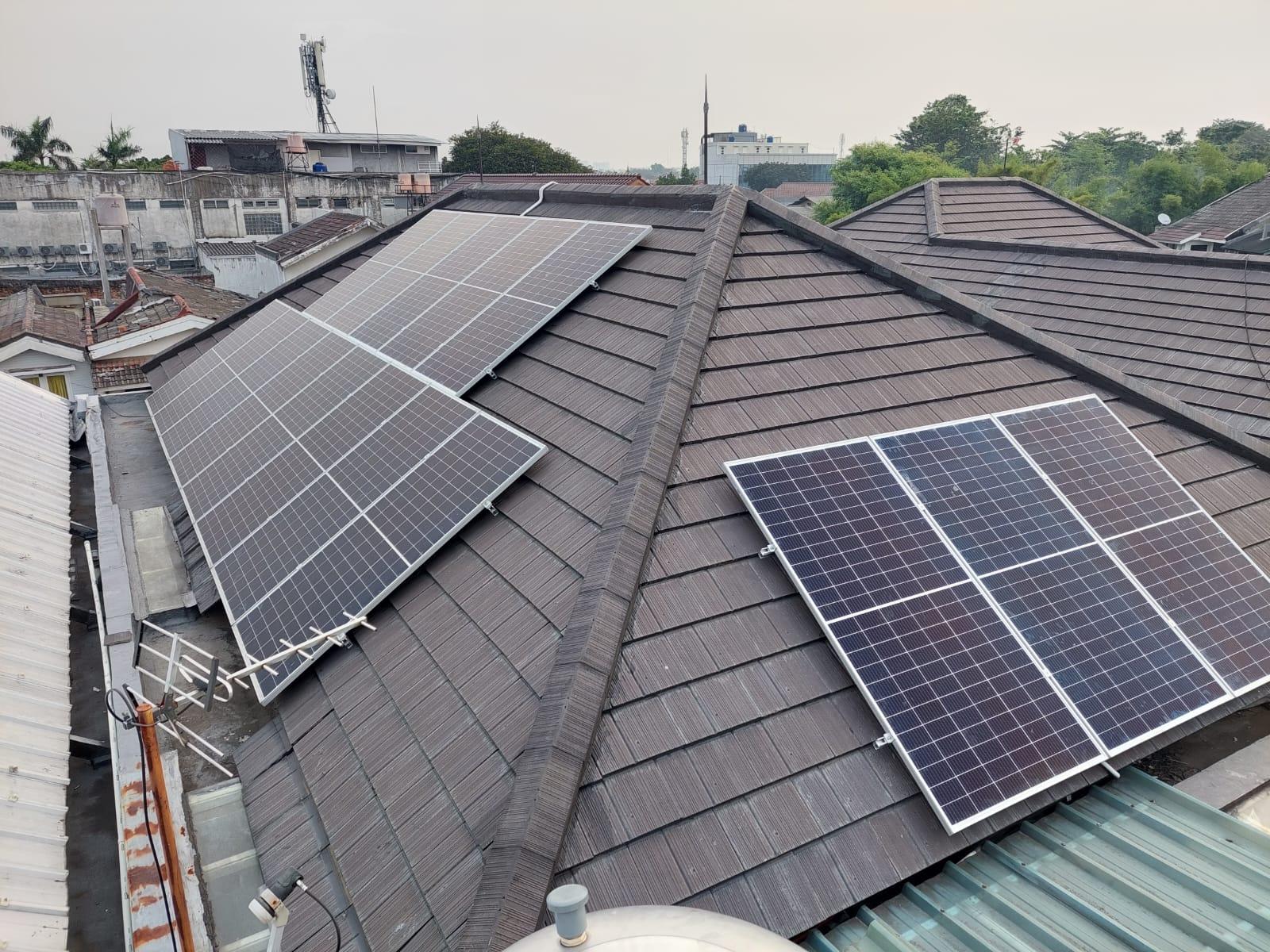
call us:
0254 7872297mail us:
info@ben-energi.com
Manufacturing costs: Solar panels are made up of multiple
components, and the cost of producing these components can
add up.
Research and Development: The technology behind solar
panels continues to evolve, and investment in R&D to
improve efficiency and lower costs adds to the overall
cost of the panels.
Materials: Certain materials used in the manufacturing
process, such as silicon, can be expensive.
Installation costs: Installing a solar panel system
requires specialized labor and equipment, which can add to
the overall cost of the system.
Despite these costs, the price of solar panels has been
decreasing over the years, and the trend is expected to
continue as more people adopt renewable energy sources and
production methods improve.
The solar panels for your home depend on your electricity
usage and the location of your home. For an exact number,
connect with a solar installation expert. Here, we will
discuss the average data for a rough estimate. This
information will help you identify the needs for
residential solar in New York.
The average monthly electricity usage in Jakarta is 595
kWh. This data is provided by US Energy Information
Administration. As per this data, an average house in New
York requires 21 solar panels with 60 cells and 275-285
watt capacity. Or, a house can use 17 solar panels with 72
cells and 350-watt capacity.
To calculate the electricity usage of your home:
Collect the bills of the past year Add up the kWhs from
each bill and divide the result by 12 Then further divide
the resultant number by 30 to get daily kWh usage The type
of PV system also decides the number of panels. You will
need fewer monocrystalline panels than those used in a
thin film system.
Solar panels can still generate electricity during the
rainy season, but the amount of electricity generated may
be reduced. Rain can wash away dirt and dust from the
surface of the panels, which can improve their efficiency.
However, cloudy and overcast weather can reduce the amount
of sunlight reaching the panels, and thus decrease their
output.
It's worth noting that the efficiency of solar panels is
measured on a clear, sunny day, so it's normal for the
output to be lower on cloudy days. Nevertheless, modern
solar panels are designed to be able to generate
electricity even under low light conditions, so they can
still provide some energy even in rainy or overcast
weather.
Additionally, many solar panel systems are equipped with
energy storage systems, such as batteries, that can store
excess energy generated on sunny days for use during
periods of reduced sunlight. This helps ensure a more
consistent and reliable source of renewable energy even
during rainy seasons.
Solar panels are built to last for many years, typically
with a lifespan of 25-30 years. The exact lifespan of a
solar panel depends on several factors, such as the
quality of the panel and the conditions under which it
operates.
Most solar panels come with a warranty from the
manufacturer that covers the panels for a certain number
of years, usually 25 years. During this period, the
manufacturer will repair or replace any panels that are
found to be defective or stop working properly.
After the warranty period, solar panels can continue to
generate electricity, although their output may decline
over time. The rate of decline can vary, but many panels
are still producing 70-80% of their original output after
25 years.
A qualified technician conducts a Solar Site Survey when
he visits the potential site for a photovoltaic system.
They thoroughly review your location and produce a
comprehensive report about your solar system, including
the following elements:
• Roof design and age
• Roof direction and angle
• Space availability and the presence of other obstacles
for solar panel installation
• Is the electric service panel suitable? Will the new
dedicated breaker fit in the existing space?
• Inverter optimal location
• Analysis of shading from nearby objects and other
elements that would influence the amount of solar energy
reaching the panels
1. Free consultation
2. Approval proposed agreement & budget
3. SOlar panel system design
4. Solar panel installation
5. Final comissions
Copyright @ Designed By Bersinar Energi Nusantara